
Cruise control has become a familiar feature in many vehicles, helping drivers maintain a steady speed without constantly pressing the accelerator. During long highway trips, this function can reduce fatigue and create a more relaxed driving experience. However, many drivers misunderstand how cruise control should be used, which can lead to risky situations on the road. While the system can manage speed automatically, it does not replace a driver’s judgment or attention. Misusing cruise control in the wrong conditions or relying on it too heavily can increase the chances of accidents. Understanding the common errors drivers make while using this feature can help motorists use it wisely and maintain safer control of their vehicles during everyday travel.
Using Cruise Control in Bad Weather
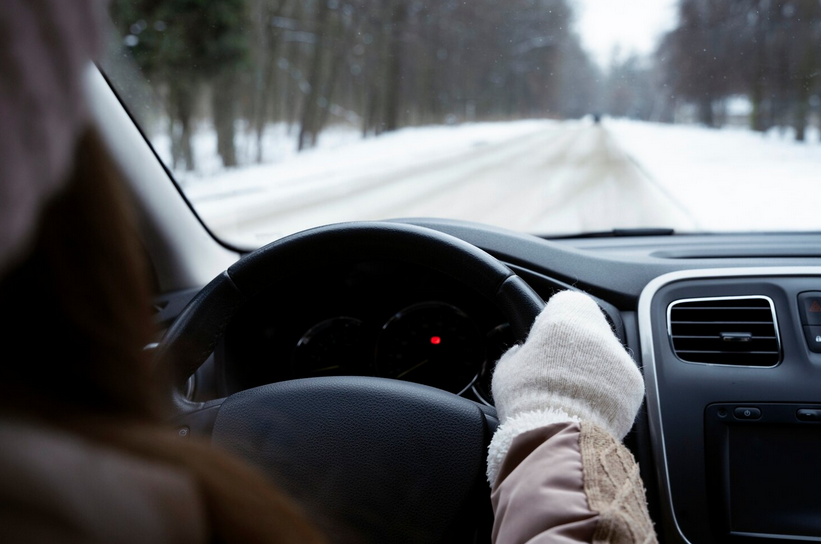 One of the most frequent mistakes drivers make is activating cruise control during poor weather conditions. Rain, snow, ice, or wet pavement can reduce tire traction and make vehicles harder to control. When cruise control is active, the system may try to maintain speed even if the road becomes slippery. If the tires suddenly lose grip, the vehicle might accelerate at the wrong moment, increasing the chance of skidding. Human drivers can usually react quickly by easing off the accelerator, but cruise control may delay that response. For this reason, many driving experts recommend turning off cruise control when road conditions are wet, icy, or covered in snow. Maintaining manual control allows drivers to adjust speed more naturally as the road changes.
Relying Too Much on the System
Another common mistake involves treating cruise control as if it were a form of autopilot. Some drivers become too relaxed after activating the system and reduce their attention to the road. Cruise control maintains speed, but it does not monitor traffic in basic systems. The driver still needs to watch surrounding vehicles, anticipate sudden braking, and respond to unexpected situations. Overconfidence in the system can slow reaction time. For example, if traffic suddenly slows ahead, a distracted driver might not brake quickly enough. Cruise control works best when drivers remain alert and prepared to take control instantly.
Forgetting to Stay Alert on Long Drives

Cruise control can make long trips feel easier, but it may also reduce driver engagement. Maintaining a constant speed for long periods sometimes leads to mental fatigue or boredom. When drivers become less attentive, their reaction time slows. This effect can be dangerous if sudden changes occur on the road, such as a vehicle braking sharply or debris appearing in the lane. Drivers should treat cruise control as a support tool rather than a replacement for active driving. Taking breaks during long trips, stretching, or stopping for a short rest can help keep the mind focused.
Setting the Speed Too High
Some drivers set cruise control at a speed that exceeds safe driving limits. Because the system maintains speed automatically, the vehicle may continue traveling too fast even as road conditions change. Speed limits exist to protect drivers, passengers, and pedestrians. Exceeding those limits while cruise control is active can increase stopping distance and reduce the driver’s ability to respond to hazards. A responsible driver should always consider road conditions, traffic density, and visibility before setting cruise control speed. Adjusting the setting occasionally during long trips also helps maintain safer driving habits.
Ignoring the Limitations of Basic Cruise Control
Modern vehicles sometimes include advanced systems like adaptive cruise control that can adjust speed based on traffic conditions. However, many cars still use basic cruise control systems that only maintain a fixed speed. Drivers who assume their system can detect vehicles ahead may be surprised when the car continues moving forward at the same speed. This misunderstanding can create dangerous situations on busy highways. Understanding how the specific system in a vehicle works is important before using it regularly. Reading the vehicle manual or learning the system’s capabilities helps drivers operate it safely and avoid unexpected behavior.
Using Cruise Control in Heavy Traffic
 Cruise control performs best on open highways with steady traffic flow. In crowded areas where vehicles constantly change speed, the system can become inconvenient and even risky. Drivers may find themselves repeatedly turning cruise control on and off as traffic speeds fluctuate. This constant adjustment can distract the driver and create unnecessary stress. Heavy traffic also increases the chance that another vehicle will merge suddenly into the lane ahead. Without quick driver intervention, the vehicle may approach the car in front too rapidly. In busy conditions, controlling the speed manually often provides better responsiveness and smoother driving.
Cruise control can make highway driving more comfortable and help maintain steady speed during long trips. However, improper use can lead to unsafe situations if drivers rely on the system without understanding its limits. Using cruise control in poor weather, depending on it too heavily, activating it in heavy traffic, setting excessive speeds, losing focus during long drives, and misunderstanding system capabilities are common mistakes many drivers make. By recognizing these errors and staying attentive behind the wheel, drivers can enjoy the convenience of cruise control while maintaining better control and awareness on the road.